Planning Your Visit to the Hatta Mountains: A Practical How-To
The Hatta mountains offer a landscape that feels a world away from the city. Rocky peaks, wadis, and a calm lake make it a popular escape. But getting the most out of a trip there takes a bit of planning. This article walks through what to think about before you go, from timing your visit to packing the right gear.
Start With Your Main Purpose
Ask yourself what kind of day you want. Some people head to Hatta for the mountain scenery and a quiet picnic by the lake. Others want an active day: hiking, kayaking, or mountain biking. Knowing this from the start shapes everything else, from what time you leave to what you carry in your bag. If you are after a relaxed family outing, the lake area and heritage village suit that pace. If you want a real hike, research the trails first. The Hatta mountain trails vary in difficulty, and a little advance reading saves you from a walk that is too long or too steep for your group.
Once you have a rough idea, check the weather forecast for the day. Summer heat can be intense, and winter evenings get cold quickly. The mountains have their own microclimate, so a forecast for Dubai city is not always accurate for Hatta. Look specifically for the Hatta area. A clear day in winter is pleasant for hiking, but the same day in July can be dangerous if you plan a long walk without shade. Rain can also turn wadi roads slippery, so check for any weather warnings before you set out.
Decide Your Route and Transport
Hatta is about a 90-minute drive from Dubai. The route is straightforward: take the Dubai-Hatta road (E44) east. The road climbs through rocky terrain and offers good views along the way. A standard car is fine for the main roads, but if you plan to go off the tarmac into the wadis, a 4x4 gives you more confidence. There is no public transport that goes directly into the Hatta mountain area, so you need your own vehicle or a hired car. Parking near the lake and the main attractions is generally easy, but on weekends and public holidays the lots fill up by mid-morning. Arriving early, around 8:00 or 9:00 am, gives you a better choice of spots and a quieter experience before the crowds arrive.
If you do not want to drive yourself, consider booking a tour that includes transport. A tour operator handles the driving and often includes a guide who knows the area well. That can be a good option if you prefer to relax and focus on the scenery rather than navigating. For those planning their own trip, a reliable GPS or a downloaded map of the area is useful because mobile reception can be patchy in the deeper valleys. Let someone know your planned route if you are going hiking alone, just as a safety measure.
Pack for the Conditions
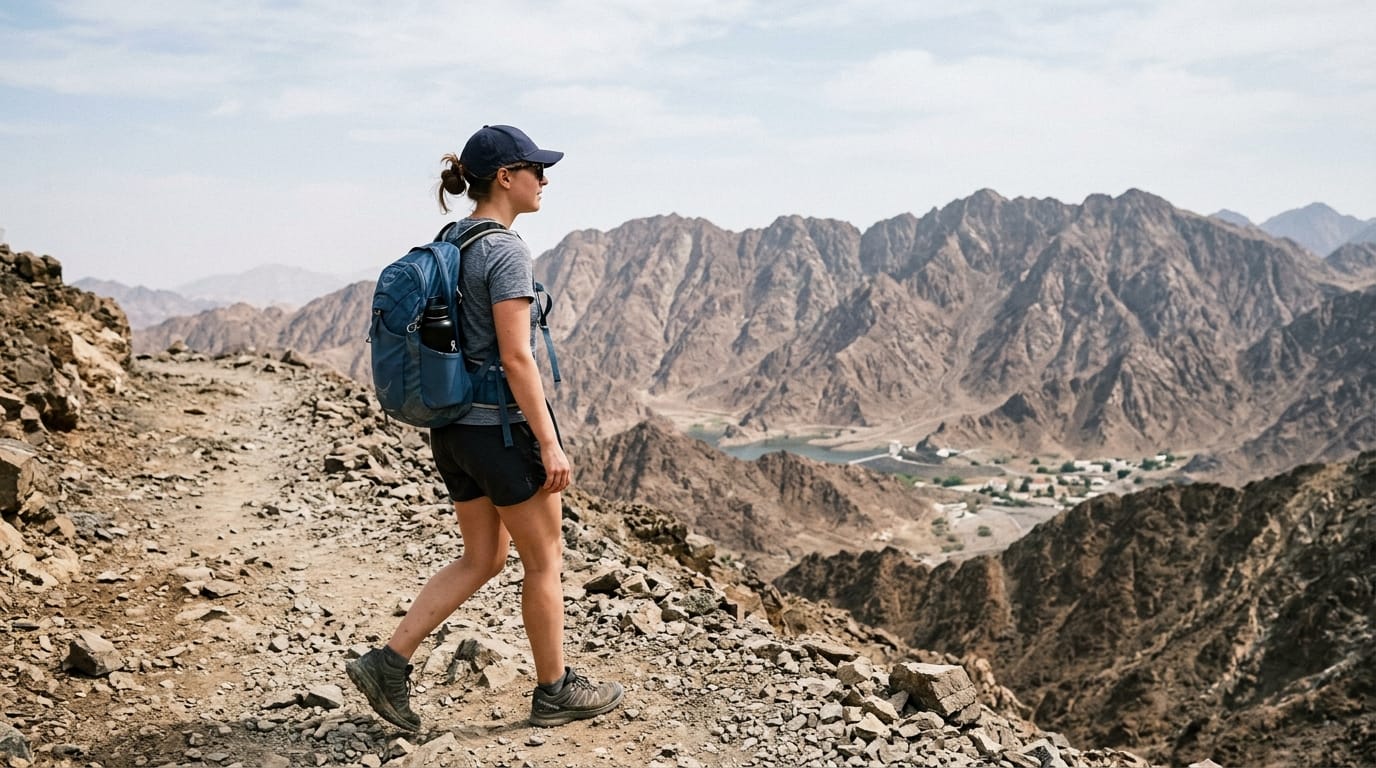
The Hatta mountains have a dry climate, but conditions change through the day. Mornings can be cool even in spring, and afternoons warm up considerably. Layers are your friend. A light fleece or jacket that you can tie around your waist is practical. Sturdy footwear matters more than you might expect. The ground is rocky and uneven in many places, and a pair of trainers with good grip is fine for the lake area, but for any real walking on the trails, hiking shoes or boots with ankle support are worth the investment. Blisters and twisted ankles are common complaints from people who wore casual shoes on the steeper paths.
Water is the most important item to bring. There are a few small shops near the lake, but they are not always open, and they do not sell enough bottled water for a group on a long hike. Carry at least one and a half litres per person for a half-day outing, and more if you plan to walk for several hours. A reusable bottle that you can refill is better than single-use plastic. Sun protection is essential: a hat, sunglasses, and sunscreen applied before you leave the car. The mountain sun reflects off the rocks and can catch you off guard. A basic first-aid kit with plasters, antiseptic wipes, and pain relief is a good addition to your day bag. You probably will not need it, but it is small and reassuring.
Choose Your Activities
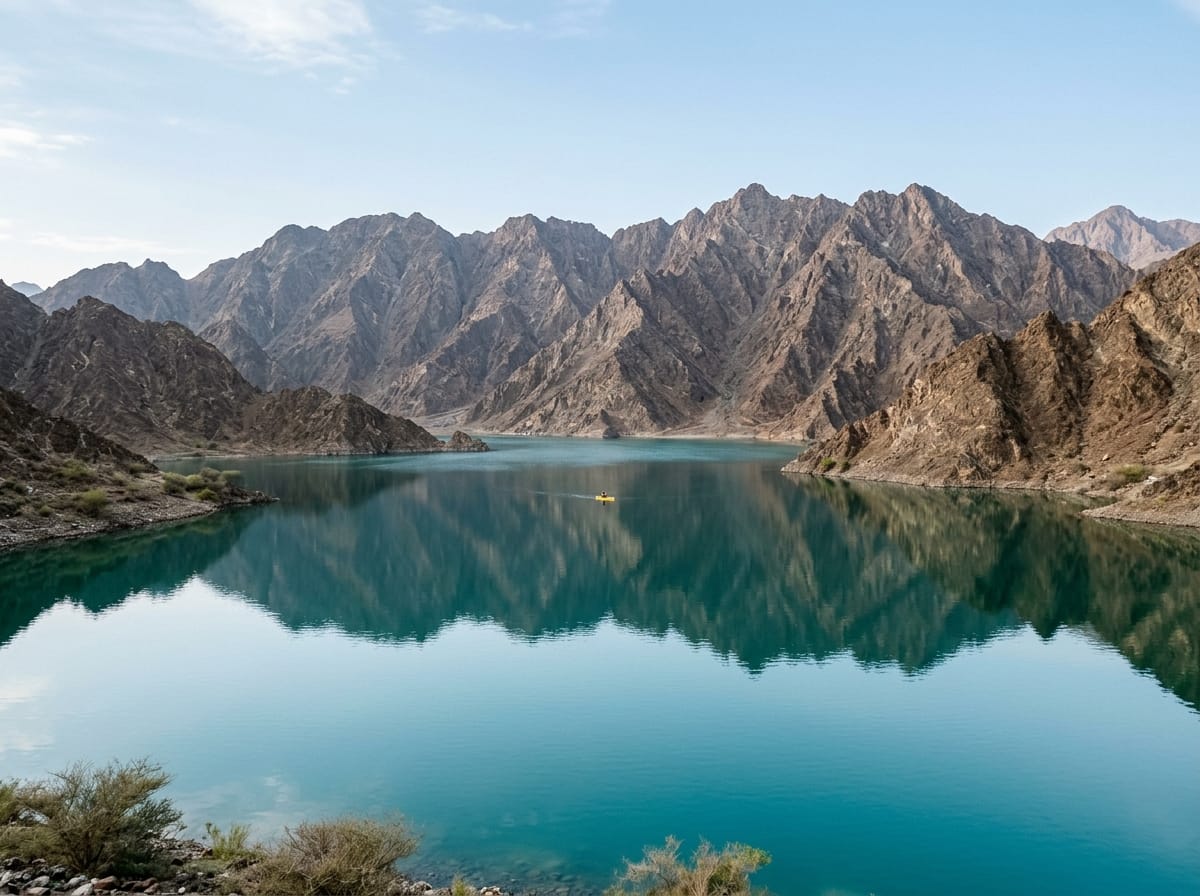
Once you are there, the main attractions are the Hatta Dam and lake, the heritage village, and the various hiking and biking trails. Kayaking on the lake is a popular activity. It is straightforward and does not require any special skill. The water is calm, and the backdrop of the mountains makes for a memorable half-hour on the water. If you want to kayak, it is best to book in advance, especially on weekends, as the kayaks can sell out by late morning. The heritage village gives you a glimpse of traditional life in the region, with restored stone houses and a small fort. It is a short walk from the parking area and takes about an hour to see properly.
For hikers, the Hatta mountain trails range from easy loops near the lake to longer routes that climb into the hills. The Hatta Wadi Hub is the starting point for many trails and also hires out mountain bikes. If you are new to the area, start with a marked trail and keep an eye on the time. The sun sets quickly behind the mountains, and you do not want to be caught on a ridge as darkness falls. A headlamp or a torch in your bag is a sensible backup, even for a short afternoon walk. The terrain can be deceptive: a trail that looks flat on a map can involve steep sections and loose stones. Pace yourself and take breaks. The views are worth stopping for anyway.
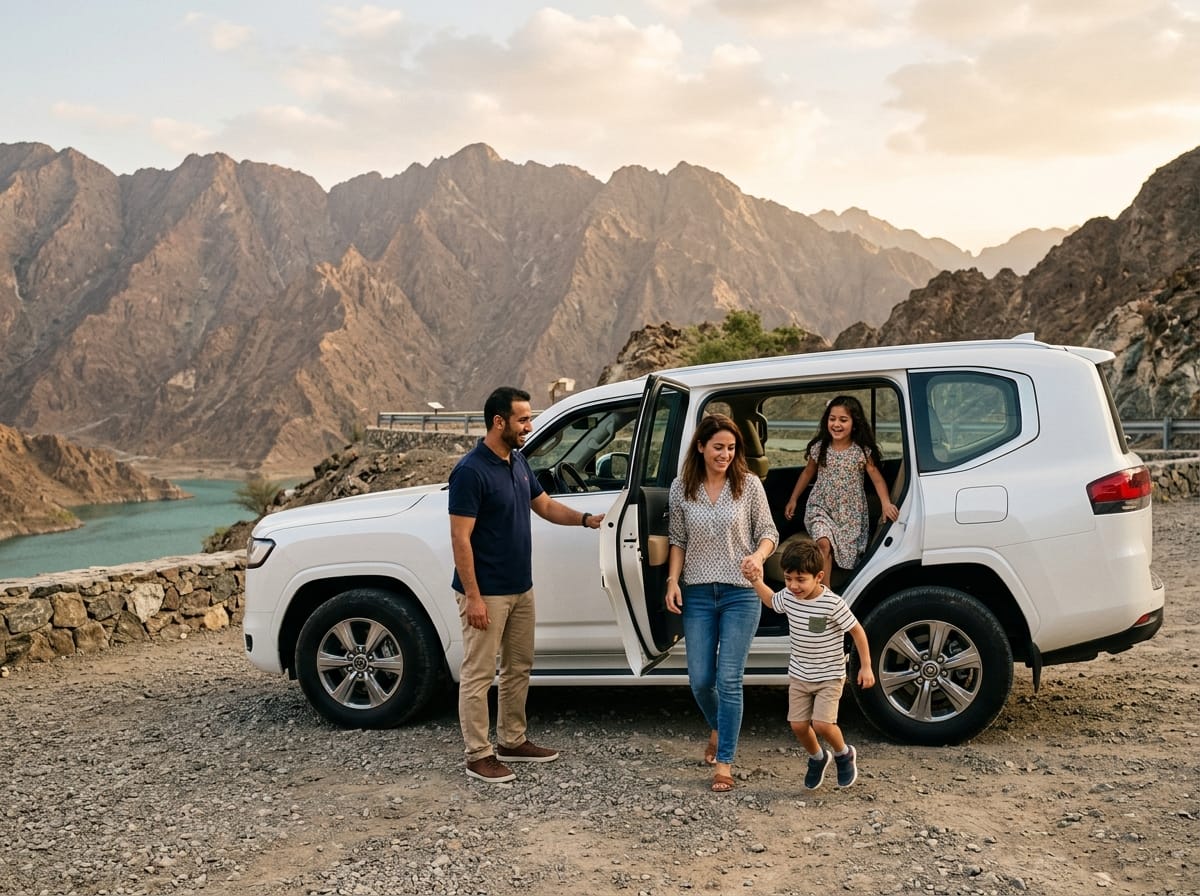
For those who prefer a guided experience, Hatta Mountain Tour Dubai offers organised trips that cover the main sights and provide local knowledge. Their itineraries typically include transport, a guide, and a set schedule that takes the guesswork out of the day. If you value convenience and want a structured visit, that is a practical option. Their tours are designed for visitors who want to see the best of the area without spending time on logistics.
Respect the Environment and Local Rules
The Hatta mountains are a protected area, and the rules are there to keep it that way. Do not leave rubbish behind. Take a bag for your waste and carry it out with you. The same goes for cigarette butts and food scraps. Fires are not allowed in most parts of the area, so bring a packed lunch rather than planning to cook. The lake and the wadis are fragile ecosystems, and even small amounts of litter can spoil them quickly. Stick to the marked paths when walking. Cutting across the landscape damages the vegetation and causes erosion that takes years to recover. If you see wildlife, enjoy it from a distance and do not feed the animals.
Drone flying is restricted in many parts of the Hatta area, especially near the dam and the heritage village. Check the current regulations before you launch one. The rules are in place for safety and privacy, and ignoring them can result in a fine. Similarly, swimming in the lake is not permitted. The water is used for irrigation and is not treated for recreational swimming. Stick to kayaking or simply enjoy the view from the shore.
Timing Your Visit
Weekdays are the best time to go if you want solitude. The lake and trails are quiet, and you can often have a section of trail to yourself. Weekends and public holidays bring many visitors, and the lake area can feel crowded. If you can only go on a weekend, plan to arrive early and leave before the afternoon rush. The light in the late afternoon is beautiful for photography, but that is also when the largest crowds are present. Winter months from November to March are the most comfortable for hiking, with daytime temperatures in the low 20s Celsius. Summer visits are possible if you go early in the morning and stay near the lake, but the heat can be exhausting for any strenuous activity. Spring and autumn offer a good balance of pleasant weather and fewer visitors.
For a full day, plan to leave Dubai by 7:00 am. That puts you in Hatta by 8:30 am with time for a morning hike, a visit to the heritage village, and a kayak session before lunch. After lunch, you can explore a second trail or simply relax by the water. By 4:00 pm, the light starts to soften, and the drive back to Dubai is pleasant. If you want to stay later, bring a warm jacket because the temperature drops quickly after sunset. There are a few cafes and a small restaurant near the lake, but their hours can be irregular, so pack snacks and a meal to be safe. The website hattamountaintourdubai.com provides further details on current opening times and available activities, which is useful to check a day before your trip.
Taking a moment to plan each of these steps makes the difference between a rushed day and a relaxed one. The Hatta mountains reward preparation. A little effort before you go lets you focus on what matters: the views, the quiet, and the time spent with the people you came with. Whether you drive yourself or join a tour from Hatta Mountain Tour Dubai, the key is to match the trip to your energy and interests. The mountains will be there, and they offer something different in every season. Pick your purpose, pack sensibly, and let the day unfold.